
Fayette County Arrest Warrants Explained
Indiana Code § 35-33-2 lays out the path to an arrest warrant in Fayette County. When an indictment is filed and the person is still free, the court issues the warrant without any separate probable-cause finding. An information works differently. That is a formal charge filed by the prosecutor, so the court must first determine probable cause. In plain terms, the judge needs enough facts to believe a crime likely occurred and that the named person likely committed it. Two courts divide the criminal work. Fayette Circuit Court takes felonies. Fayette Superior Court handles misdemeanors, traffic cases, traffic-related felonies, and ordinance matters, so either court can issue a Fayette County arrest warrant within its own docket. The Fayette County Clerk records the case. The Sheriff or another officer then executes the warrant.
Probable Cause Before Fayette Issuance
Sequence matters here. An arrest warrant is not the same as a bench warrant for a missed court date. Under Indiana's criminal procedure statutes, the charge and a probable-cause determination come first in Fayette County. The written warrant follows. The clerk logs the event, and the command goes to the sheriff for service. A public MyCase result may show only a docket entry. The charging affidavit, probable-cause material, or the warrant itself may be sealed, protected, or withheld before service, so a Fayette County warrant search online can miss real substance. What the warrant does is authorize custody so the court process can move forward.
Inside a Fayette County Arrest Warrant
Indiana law sets the required fields. A Fayette County arrest warrant must name the person or give a reliable description. It states the alleged offense. It carries the issue date, the county, and the clerk's or judge's signature and title. The document commands arrest and presentation to the issuing court without unnecessary delay. It also states bail when bail is specified, and it directs the warrant to the county sheriff.
| Person | Name or a reliable description |
|---|---|
| Basis | Offense tied to the information or indictment |
| Issue details | Date, county, issuer signature, and title |
| Court command | Arrest and prompt presentation before the issuing court |
| Release term | Bail amount if the warrant or later order sets one |
| Service | Direction to the sheriff |
MyCase may list the cause number and later events. The official Fayette County file stays with the Clerk or the maintaining court.
Why Fayette MyCase May Be Partial
Indiana MyCase is a statewide public case search, not a live arrest-warrant list. A search by name, cause number, or filing date can surface a Fayette County criminal case and its chronological summary. Gaps remain, though. A new event, a sealed warrant, a protected affidavit, a juvenile matter, an expunged case, or an unavailable document may simply not appear. For the rules that govern what is public, the Indiana court-record access handbook sets out the state's public-access framework, including how Fayette County arrest warrant records fit within it.
A screen is a starting point, not a verdict. When you need an official record or current status, the Fayette County Clerk is the office that holds it.
Serving Arrest Warrants in Fayette County
Once a warrant issues, the Sheriff or another agency can execute it. The Fayette County Sheriff lists the Sheriff/Correctional Facility at 123 West 4th Street in Connersville and a general phone, 765-825-1110. The office publishes no dedicated warrant line, no public arrest-warrant portal, and no warrant-unit page. The general line is still the official contact for questions about a hold, custody, booking, service, bond, or surrender. Call before you travel. Posted office hours do not guarantee intake or bond hours. Under Fayette criminal Rule LR21-CR00-CR-8, presentation without unnecessary delay generally means within 24 hours, excluding weekends and holidays. A person released or admitted to bail signs notice of the next initial hearing.
Fayette Arrest Warrant Service Map
Several agencies can touch one warrant, but their records are not interchangeable. The issuing court controls its order. The Clerk maintains the case file. The Sheriff handles county service and custody. Connersville Police may execute lawful process, but the city runs no separate warrant channel. Federal warrants travel a different court and a different service path. Carry the cause number between offices. It lets staff pull the same Fayette County arrest warrant record instead of running a broad name search. Ask the court about judicial action, the Clerk about the filed record, and the Sheriff about execution. If an office cannot answer, ask who maintains that fact. A balance due is not a bond term, and a filed motion is not a recall order. Keep each response with your case notes so counsel can compare the court order, the docket entry, and current service status.
| Office | Document or action | Best question |
|---|---|---|
| Fayette Circuit or Superior Court | Issuance, recall, hearing, and bond order | What does this cause require now? |
| Fayette County Clerk | Docket, copy, filing, and payment record | What does the official case record show? |
| Sheriff/Jail | Service, hold, custody, bond, and surrender | What is the current procedure? |
| U.S. Marshals | Federal process | Is this a separate federal matter? |
Federal process belongs in federal court. Do not route it to the Fayette County Clerk just because the person lives in Fayette County.
Comparing Arrest, Summons, and Bench Warrants
A summons orders you to appear on a set date. An arrest warrant is different. It authorizes immediate arrest from the outset. Indiana law sometimes allows a summons instead of an arrest warrant in a qualifying misdemeanor, and a failure to appear after that can support a later warrant under statutory conditions. A bench warrant usually grows from a missed duty in a Fayette County case already before the court.
| Process | Starting point | What it commands |
|---|---|---|
| Arrest warrant | Information with probable cause or indictment | Arrest and court presentation |
| Summons | Qualifying charge and court choice | Appear at the stated place and time |
| Bench warrant | Missed court or another compliance failure | Custody and return to the case court |
Read the actual Fayette County docket entry; the word “warrant” alone does not tell you what triggered it or what comes next.
Fayette Arrest Warrant Bond Limits
The Fayette County Clerk takes bond payments, but no local arrest-warrant bond schedule is posted anywhere official. Neither the Sheriff nor the Jail lists payment forms, bond-window hours, or a public surety list. So where does the number come from? The warrant itself may state bail. A later judicial order can change it. Some matters in Fayette County carry a no-bond hold until the court acts. Cash bond, surety bond, and personal recognizance are three different forms of release, and posting bond only addresses release under a court order. It does not end the charge. It does not replace the next hearing. Before any money moves, confirm the cause number, amount, type, receiving office, appearance notice, and any hold from another jurisdiction. Note: No public Fayette source supports estimating bond from a charge label alone.
If There's an Arrest Warrant for You
Pull your own record first. Then plan with a lawyer. Search your cause in MyCase. The Fayette County Clerk, at 765-825-1813, can give you the docket and the official-copy route. Contact the court named on the case, meaning Fayette Circuit Court at 765-825-1331 or Fayette Superior Court at 765-825-1775. Ask which office will discuss a scheduled appearance, a motion, or surrender.
- Record the cause number, court, charge, warrant event, and most recent hearing.
- Ask a criminal-defense attorney about recall, a planned walk-through, or surrender.
- Confirm any bond or no-bond term with the court, Clerk, or Sheriff/Jail.
- Call the Sheriff/Jail before appearing and follow the current intake direction.
- Complete the hearing, bond, release, or filing steps ordered by the court.
- Confirm the later docket and Sheriff hold rather than relying on a receipt alone.
Important: Seek legal advice and current surrender instructions before appearing; an active Fayette County arrest warrant can result in immediate custody.
Confirming a Cleared Fayette Arrest Warrant
A release, a payment, a filed motion, or a verbal promise is not final proof that a warrant was recalled. Ask the issuing court whether a signed order exists. Ask the Fayette County Clerk what later event appears in the official record. Recheck MyCase once the electronic docket has had time to update, keeping its limits in mind. The Indiana Public Access Counselor resources include guidance on access to warrants and public records. That official resource page carries no case or personal record.
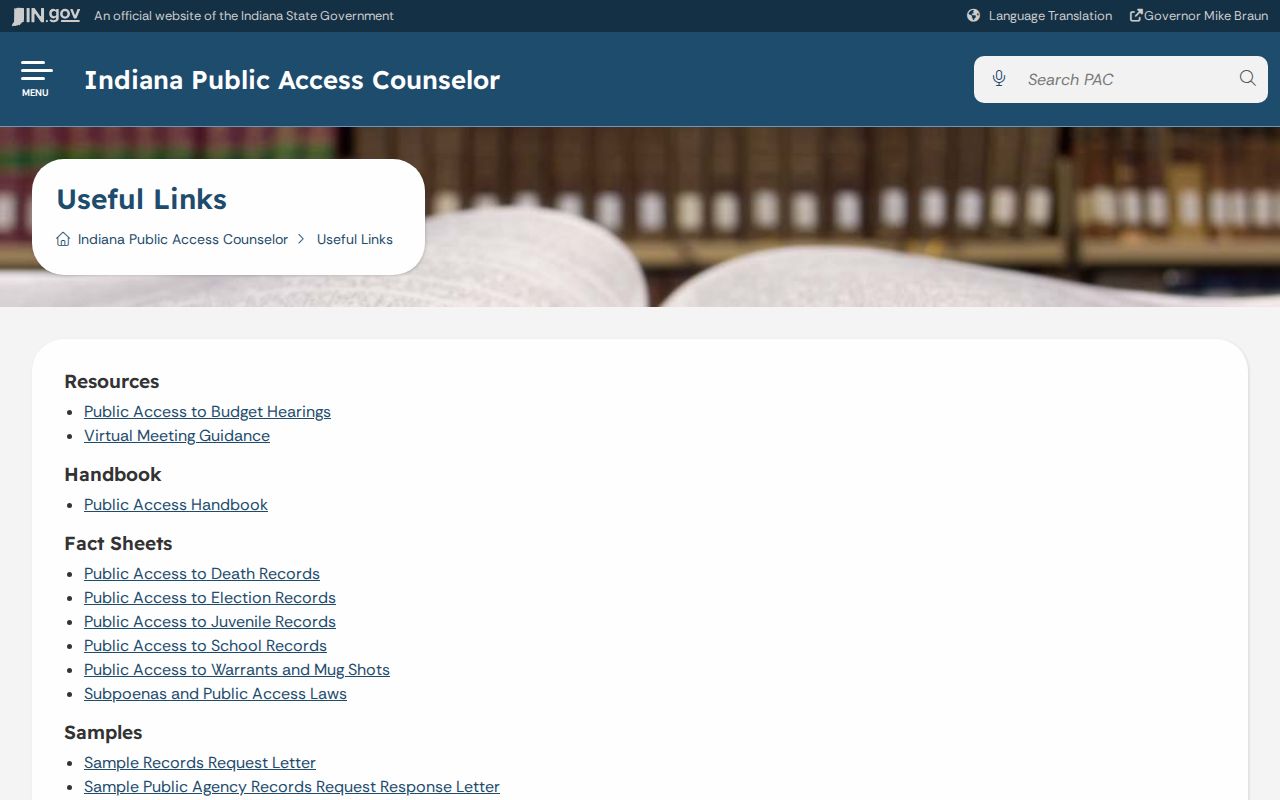
This route suits a narrow request. It has real limits. The Public Access Counselor does not retrieve Fayette County arrest warrants or decide whether they remain active. If service or a hold was involved, also ask the Sheriff/Jail whether its operational record reflects the court's action.