
Fayette County Traffic Warrants Explained
In Fayette County, the paper trail for a traffic warrant begins in the court file. The Fayette Superior Court handles traffic and ordinance violations plus traffic-related felonies. The state directory lists no separate city court or town court. So a citation, a failure-to-appear event, and any resulting warrant route through Superior Court, the Fayette County Clerk, and Indiana MyCase. For a live hold, service, custody, bond, or surrender question, the Sheriff and Jail are the added channel. Fayette County has no traffic-warrant portal, no sheriff warrant roster, no warrant app, and no dedicated warrant phone line. A warrant search here means working a chain of records and contacts.
Fayette Citation-to-Warrant Timeline
Indiana Code § 9-30-3-8 lets a court issue an arrest warrant when an Indiana resident fails to appear or answer a traffic information and summons, or a misdemeanor or felony complaint and summons. A Fayette County judge uses that same power. If the warrant sits unexecuted for 30 days, the court sends the traffic information or complaint and summons to the BMV and marks the case as a failure to appear.
The practical flow is: citation or summons → required response or hearing → missed answer or appearance → court warrant → possible BMV notice after the statutory period → appearance, disposition, payment, or other compliance → court reports the result. Each arrow is a separate record step. The failure-to-appear notation and a warrant are related but not identical.
Note: Fayette County sources call the event a traffic warrant, arrest warrant, bench warrant, or failure to appear, but never a capias pro fine.
Checking for a Traffic Warrant
Start with Indiana MyCase. Search by citation number if you have it. A cause number works just as well. Without either, search the person's own name and narrow the results by birth date, Fayette County, Superior Court, case type, status, and filing range. Then read the newest chronological entries for failure to appear, warrant, payment, suspension, recall, service, or disposition.
- Write down the citation number, cause number, court, and newest event.
- Call the Fayette County Clerk at 765-825-1813 for the court record and balance.
- Call Superior Court at 765-825-1775 for hearing, reset, motion, or court-order questions.
- Call the Sheriff/Jail at 765-825-1110 for any live hold, custody, bond, or surrender issue.
- Use a narrow APRA or court-record request if public online data is incomplete.
- Confirm each later change with the office that maintains that part of the record.
The state court directory shows no municipal warrant counter in Fayette County. Traffic and ordinance questions stay within the county Superior Court structure.
Search Fayette Traffic Warrants by Citation
The citation number is often the fastest key, since it avoids same-name confusion. MyCase also accepts a case number. Indiana's search tips say you may drop the hyphens and leading zeroes from a case number. A Fayette County traffic cause may carry county code 21 and a Superior Court designator, but the real number must come from MyCase or the Clerk.
| Field | Use | Limit |
|---|---|---|
| Citation number | Known traffic citation | Must match the court record |
| Case number | Known Indiana cause | Not itself proof of active warrant status |
| Last name and first name | Party search | May return other people |
| Birth date | Narrow one's own match | Use with care |
| Court and county | Choose Fayette and Superior Court | Interface options can change |
| Status and filing date | Reduce broad results | Open or closed does not define warrant status |
Official MyCase search tips explain wildcard and sounds-like tools if spelling is uncertain.
Inside a Traffic Warrant Record
A public court result ties the citation to its cause and event history. It may not display the full warrant document. Read the fields together, because a payment entry, an FTA event, and a later recall can all sit inside one Fayette County case. The citation or cause may show up as a court identifier like 21D01 traffic cause, but the exact number has to come from MyCase or the Clerk.
| Citation or cause | The key used to locate the Fayette court file |
|---|---|
| Court | Superior Court for Fayette traffic and ordinance jurisdiction |
| Event | FTA, warrant, served, recalled, payment, hearing, or disposition text |
| Date | When the filing or event was entered |
| Balance | Financial data that must be verified with the Clerk |
| Later order | The court action that may change the warrant or case status |
MyCase itself warns that online records may contain errors or omissions and are not the official court record. The Clerk keeps the official Fayette County record.
No Fayette Traffic-Warrant Portal
The Fayette County Clerk page links an online court-payment vendor, but a payment page is not a warrant search. The Sheriff page is a contact page, not a roster. MyCase is a case search that may reveal a warrant event, not a live warrant database. Indiana SAVIN tracks custody and sends notifications; it is not a warrant system. The official Indiana SAVIN service covers victim notification and custody status, so readers chasing a Fayette County traffic warrant can tell that channel apart from the court record.
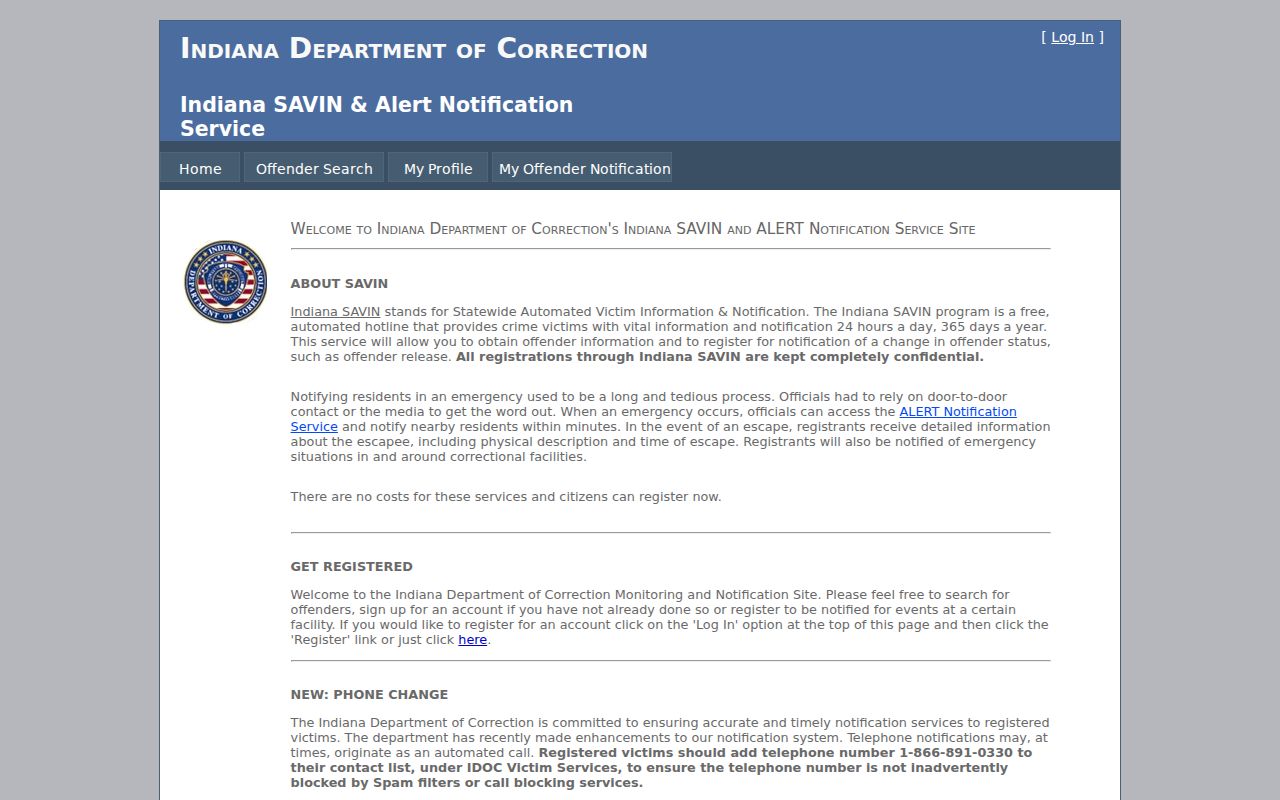
SAVIN can flag a custody change after an arrest. It cannot confirm that a Fayette County traffic warrant exists or has cleared.
Paying or Lifting a Traffic Warrant
The Fayette County Clerk takes traffic payments and links PayGov, but the public page posts no current balance, convenience fee, bond amount, or accepted counter methods. Ask whether payment is even an available remedy in your exact cause. Some cases need a hearing, a reset, a motion, bond, surrender, or another judge-approved step.
- Verify the citation, cause, warrant event, balance, and hearing requirement.
- Use only the Clerk's confirmed payment path if the court authorizes payment.
- Keep the receipt and ask what court order or entry follows.
- Complete any appearance, filing, surrender, or bond step the court requires.
- Ask when the court will send any required compliance notice.
- Recheck the court docket and confirm with the Clerk and Sheriff as needed.
Caution: A payment receipt does not by itself prove that the Fayette traffic warrant, court case, or related hold has cleared.
Fayette Traffic Warrant Payment Follow-Up
After paying, ask four separate questions. Did the money satisfy the stated balance? Did the judge recall or withdraw the warrant? Did the Clerk enter the disposition or compliance event? Did the court send any required notice to the BMV? A yes to one does not answer the rest. Write down the office contacted, the date, and the next step given. That short record helps when the Fayette court docket, payment system, warrant status, and enforcement record update at different times. Use the same citation and cause number on every call. Fayette County runs no traffic-warrant amnesty event, payment-plan program, fee-reduction week, or special walk-in docket. The ordinary route stays Superior Court, the Clerk, MyCase, and the Sheriff or Jail when custody or surrender is involved. Do not lean on a third-party payment claim or assume an old cause has expired. Note: The underlying traffic case can stay open after a warrant or financial hold changes.
Traffic Warrants, FTA, and License Holds
A traffic warrant lets police make an arrest in Fayette County. Failure to appear is simply a missed court date on the record. A suspended license is its own consequence, imposed by court notice under Indiana law. The three can overlap, but one status never proves the others.
| Status | Who controls it | How to verify |
|---|---|---|
| Traffic warrant | Issuing Fayette court | Court, Clerk, and Sheriff for live service or hold |
| Failure to appear | Case court | Chronological case summary and official docket |
| BMV suspension or compliance | Court notice and BMV process | Ask when the court reported appearance, disposition, or payment |
| Paid balance | Clerk financial record | Receipt plus court-status confirmation |
Fayette County courts can suspend driving privileges until a traffic judgment is satisfied. Appearing, resolving the case, paying, or waiting out the statutory period can lift it. What counts is the Fayette court file itself, not a commercial driving-history report.
Confirm Fayette Traffic Warrant Disposition
Once the judge or Clerk accepts your action, ask when the docket will reflect it and whether a BMV notice went out. Then recheck MyCase. Confirm the warrant status with the issuing court, and any live hold with the Sheriff or Jail. Electronic updates lag, so keep your receipt, order, and appearance notice. The official Indiana MyCase search is the statewide route for watching the later Fayette court entry appear.
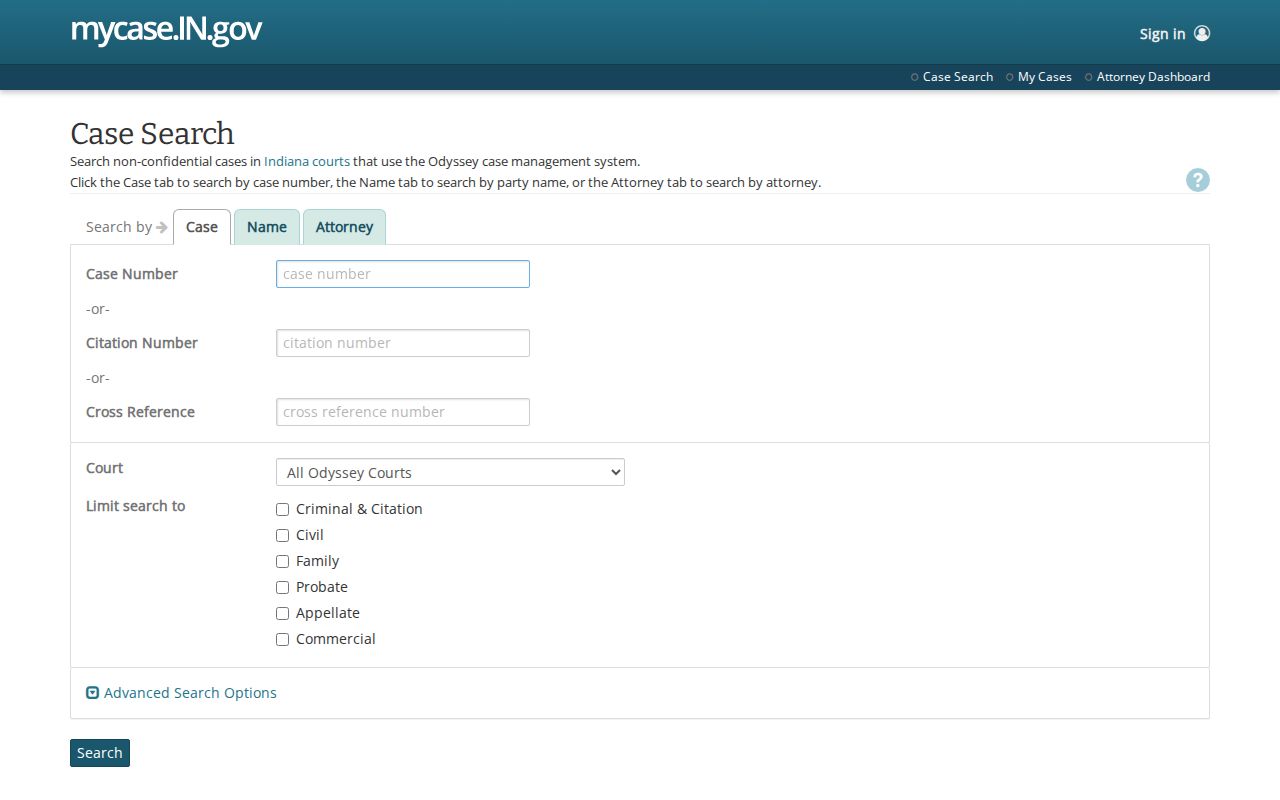
A screen can lag behind what the court has already done. It is not proof that a Fayette County warrant or hold has cleared. Ordinary traffic warrants here stay with Superior Court, the county Clerk, and local service channels.